Posted by T&M Cranes on | Comments Off on Single vs. Double Girder Cranes: Pros, Cons, and Use Cases
Facility planners evaluating overhead crane systems face a fundamental decision: single or double girder design. This choice affects initial investment, building requirements, lifting capacity, and long-term operational costs. Understanding the single vs double girder crane comparison helps engineers and procurement teams select systems that match facility requirements while optimizing budget and performance.
Both configurations serve material handling needs effectively, but design differences create distinct advantages depending on application requirements, lifting heights, and capacity demands.
What Is a Single Girder Crane?
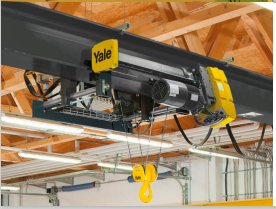
Single girder cranes utilize one main beam spanning the crane runway. The hoist and trolley travel along the bottom flange of this girder, creating an underhung configuration. This simpler design offers cost advantages and faster installation.
Single Girder Design Characteristics
Single girder characteristics include:
Structural Configuration: One main beam supporting the hoist and trolley.
Typical Capacity Range: 250 pounds to 20 tons.
Span Limitations: Generally economical for spans up to 120’.
Hook Height: Reduced due to hoist mounting below the girder.
Weight: Lighter construction reduces building load requirements.
The hoist position below the girder creates the primary limitation: reduced hook height compared to building clearance. Facilities with limited overhead space may sacrifice valuable lifting height with single girder designs.
Double Girder Design Overview
Double girder cranes feature two parallel beams with the hoist and trolley riding on top of the girders. This configuration provides maximum hook height and supports heavier duty applications and capacities.
Double Girder Design Characteristics
Double girder characteristics include:
Structural Configuration: Two parallel beams with a top-running trolley.
Typical Capacity Range: 5 tons to 500+ tons.
Span Capability: Suitable for spans up to 200+ Feet.
Hook Height: Maximized by positioning the hoist above the girders.
Service Access: Walkways and platforms for maintenance.
Single girder cranes suit light-to-moderate-capacity applications with intermittent use. The simpler design handles repetitive lifting within its capacity range but isn’t engineered for continuous heavy-duty service.
Double girder cranes accommodate heavy capacities and rigorous duty cycles. Manufacturing operations running multiple shifts, steel processing facilities, and heavy assembly operations require double girder strength and durability.
Hook Height Considerations
Hook height, the distance from the floor to the hook at its highest position, directly affects usable lifting capability.
Single Girder: Hook height is limited because the hoist hangs below the beam.
Double Girder: Hook height is maximized because the hoist rides on top of the beams.
This configuration gains 18–36 inches of additional hook height in typical installations, significant when lifting tall equipment or stacking materials to maximum height.
Initial Investment and Operating Costs
Single girder cranes cost less initially due to simpler structural design, lighter components, and faster installation.
Double girder cranes involve a higher upfront investment but provide advantages in specific scenarios, including:
Can be lower cost per ton for heavy capacity ranges.
Top-Running vs. Underhung: Top-running single girder and double girder designs maximize coverage, while underhung configurations suit facilities with existing structural support.
Environment: Temperature, humidity, and corrosive atmospheres may dictate specific coatings or components.
Choosing the Right Girder Crane With T&M Cranes
The single vs double girder crane decision affects facility productivity, safety, and long-term operating costs. At T&M Cranes, we help manufacturing facilities and industrial operations evaluate lifting requirements and budget parameters to recommend optimal configurations.
Whether you’re equipping a new facility or upgrading existing material handling, we engineer solutions matching your operational needs.
Ready to determine the right crane configuration?
Contact our team to discuss your lifting requirements. We will evaluate your application and recommend crane systems that optimize performance and value.
Request a quote to explore single and double-girder options tailored to your specific operational requirements.
Posted by T&M Cranes on | Comments Off on Benefits of Workstation Bridge Cranes & Monorails | T&M Cranes
Production environments handling repetitive material movements face persistent challenges: worker fatigue, repetitive strain injuries, and efficiency bottlenecks. Manual handling slows operations while increasing injury risk. When assembly lines require frequent load repositioning or manufacturing cells demand flexible material flow, workstation cranes and freestanding monorails can transform operations by combining ergonomic design with modular flexibility.
Understanding how these systems improve safety, productivity, and workspace utilization helps facility managers and production engineers make informed material handling decisions.
What Are Workstation Bridge Cranes and Monorails?
Workstation bridge cranes and monorails are lightweight lifting systems designed for loads typically ranging from 150 lbs. to 4,000 lbs. Unlike heavy-duty overhead cranes that move massive loads occasionally, these systems handle moderate weights frequently throughout production shifts.
Workstation bridge cranes consist of a bridge beam traveling on runway tracks, with a trolley and hoist moving along the bridge. This configuration provides full rectangular (X-Y axis) coverage. Operators can position loads anywhere within the crane’s footprint.
Freestanding monorails utilize single-beam tracks supporting trolleys that travel linearly. These systems suit production lines, paint booths, and processes requiring point-to-point material transfer along defined paths.
Both systems feature aluminum or enclosed track construction to reduce rolling resistance, allowing operators to move loads with minimal physical effort.
Key Benefits of Workstation Bridge Cranes
Workstation cranes deliver measurable improvements in safety, efficiency, and operational flexibility. Benefits include:
Ergonomic load handling. Manual lifting creates injury risk. Workstation systems eliminate lifting strain by supporting the load’s weight 100% of the time.
Reduced injury risk. Minimizes repetitive strain injuries from manual lifting.
Lower fatigue. Enables sustained productivity across long shifts.
Improved retention. Creates a safer, more comfortable working environment.
Modular and expandable design. Production requirements change. Workstation cranes accommodate evolution through modular construction.
Scalable. Add runway sections to extend coverage areas.
Flexible. Install additional bridges to serve new workstations.
Relocatable. Floor-supported systems can be moved to new locations without structural building modifications.
Enhanced precision and control. Assembly operations often require precise part positioning. Because these cranes are lightweight and easy to move manually, operators receive direct tactile feedback. This allows for fine positioning control that is difficult to achieve with motorized, pendant-controlled cranes.
Improved production flow. Waiting for a forklift or overhead crane creates bottlenecks. Dedicated workstation cranes eliminate these delays by keeping lifting power directly at the assembly station.
Reduced cycle times. Faster material positioning.
Continuous workflow. No waiting for shared equipment.
Higher throughput. More parts produced per shift.
Workstation Monorail Advantages in Manufacturing Operations
Freestanding monorails excel in applications requiring linear material flow. Assembly lines, machining cells, and sequential operations benefit from monorail simplicity. The advantages of the monorail in manufacturing operations include:
Flexible installation options. Monorails adapt to existing facilities without major structural modifications. Floor-supported systems install without roof penetrations, making them ideal for leased facilities or buildings with limited overhead structural capacity.
Optimized material flow paths. Linear processes benefit from dedicated material paths. Monorails create defined routes that prevent congestion and improve safety by separating material movement from pedestrian traffic.
Cost-effective capacity. Monorails provide lifting capability at a lower cost than bridge cranes when linear coverage suffices. Single-beam construction reduces material costs, while simplified installation decreases labor expenses.
Scalability for growing operations. Production expansion often follows linear growth. Monorails scale naturally by extending tracks and adding trolleys, allowing facilities to add capacity incrementally as production grows.
Workstation Bridge Cranes & Monorails: Expert Guidance From T&M Cranes
Selecting between workstation cranes and freestanding monorails requires understanding production workflows, load characteristics, and facility constraints. At T&M Cranes, we help manufacturing facilities evaluate material handling needs and design solutions that optimize safety and efficiency.
Whether you are eliminating manual lifting hazards, improving assembly line efficiency, or accommodating production expansion, we engineer solutions meeting your specific requirements.
Ready to improve material handling safety?Contact our team to discuss your production environment. We will evaluate your operations and recommendworkstation bridge cranes & monorails that enhance productivity while protecting workers.
Request a quote today to explore how workstation lifting systems can transform your material handling operations.
Posted by T&M Cranes on | Comments Off on Signs It’s Time to Replace Your Overhead Crane
While overhead cranes are designed to handle the toughest jobs and long hours, they can eventually wear out. Years of heavy use, evolving safety regulations, and shifting production needs cause your equipment to gradually break down and require replacement. When you know and recognize the early warning signs, you can prevent breakdowns, minimize downtime, and develop a transition plan.
Frequent Breakdowns and Rising Repair Costs
Regular maintenance and periodic inspection can extend the lifespan of your system. When safety is a concern or repairs start piling up, however, it may mean it’s time to invest in a replacement. Even well-maintained cranes eventually get to a point where maintenance calls are no longer able to keep things running smoothly. If your system is experiencing significant downtime and increasing repair costs, your overhead crane may be nearing the end of its service life.
Common issues to be on the lookout for include:
You experience consistently stalled operations or unplanned downtime.
The cost of overhead crane inspection or service visits increases.
Repairs no longer help the underlying problems.
It’s harder to find replacement parts, or they’ve been discontinued.
You get reappearing safety alerts or inspection notes.
When problems start snowballing, the reliability and safety of a crane decline. When you reach that point, an investment in a new system is a better long-term choice than trying to keep an aging system with issues running. Using a modern crane can immediately relieve these troubles. You can reduce unexpected downtime, improve safety, and a better return on the investment (ROI) for years to come.
Structural Wear and Obsolete Components
Important indicators of fatigue in overhead cranes, like cracked welds, corrosion, or worn rails, can threaten a system’s integrity and stability. In addition, it can also threaten the safety of its operators.
When your system relies on outdated or discontinued replacement parts, that’s another red flag that your equipment may require replacing. Older parts become harder to source, maintenance prices increase, and downtime is longer. In cases like these, replacing the entire crane system isn’t only more cost-effective than continuing to patch and repair an existing one, it’s also much safer.
Outgrowing Your Crane’s Capacity or Capabilities
Scalability is another important factor. As your business grows, your lifting requirements may be greater than your system’s current overhead crane capacity. Operating beyond rated load limits is unsafe and also accelerates the wear on both mechanical and structural components.
If changes in your business now demand greater lifting height, higher speeds, or expanded coverage, a modern overhead crane will offer advanced control systems, enhanced efficiency, and better safety features to meet current production standards.
Plan Your Next Crane With T&M Cranes
Knowing when it’s the right time to replace your overhead crane will help you reduce expensive downtime and avoid potential hazards. If your current crane breaks down often, is showing clear signs of structural damage, or is struggling to meet your operation’s requirements, it’s time to consider an investment in a new system designed for your future needs.
T&M Cranes has decades of experience designing, maintaining, and replacing custom overhead crane systems across many different industries. Our team of experts can help you evaluate your current system, determine whether modernization or replacement is the right move, and develop a long-term plan that enhances safety, performance, and a solid return on your investment. Request a quote today or contact us on our website to get started.
Posted by T&M Cranes on | Comments Off on How to Choose the Right Overhead Crane
Selecting the right overhead crane is about more than lifting power. The right system improves workplace safety, keeps production moving, and protects your bottom line. To make the best choice, you’ll need to evaluate your load requirements, duty class, and facility layout before comparing different overhead crane types. Just as important, every system must meet OSHA 1910.179 standards to ensure compliance and safe operation. By weighing these factors from the start, you can invest in equipment that supports both daily performance and long-term reliability.
Define Capacity, Duty Class, and Facility Layout
The best way to start is by identifying the fundamentals:
Know your load requirements. Determine the maximum weight you will need to lift, and include below-the-hook devices such as spreader bars or lifting attachments. Account for span, lift height, and any runway space or clearance limitations inside your facility.
Match usage to a duty class. The Crane Manufacturers Association of America (CMAA) assigns duty classes A through F, ranging from light, occasional use to continuous heavy-duty service. Selecting the correct class ensures the crane’s components are built for your workload.
Factor in your environment and controls. Consider whether your system will face heat, dust, or outdoor exposure. Decide between pendant controls for simple operation or radio remotes that improve operator mobility and safety.
Getting these details right prevents overspecifying (and overspending) or underspecifying (leading to risk and downtime).
Compare Overhead Crane Types for Your Needs
Once you’ve defined your capacity, duty class, and environmental requirements, the next step is selecting from the main overhead crane types:
Bridge Cranes. Available in single- or double-girder, with top-running or underhung designs. These cranes cover large areas and provide high lifting capacity, making them common in warehouses and manufacturing bays. Smart features and hoist technology improve throughput and safety.
Gantry Cranes. Useful when a permanent runway structure is unavailable. They are mobile and flexible, performing well indoors or outdoors.
Jib & Workstation Cranes. Ideal for repetitive, lighter lifting in workcells. They can supplement a larger bridge crane system and reduce strain on primary equipment.
Monorails. Best suited for linear, fixed-path applications like assembly lines or paint booths. They move loads smoothly along a track to minimize handling time.
Optional add-ons such as electrification, condition monitoring, radio controls, and anti-collision features should be tailored to your duty class and facility environment.
Prioritize Safety, Compliance, and Maintenance
Productivity matters, but safety is paramount. Key considerations include:
Regulatory Compliance. Confirm your crane meets OSHA 1910.179 and CMAA requirements.
Built-in Safety Features. Anti-collision sensors, ergonomic controls, and emergency shutoffs add vital protection for workers and equipment.
Maintenance & Training. Preventive inspections, operator training, and scheduled servicing extend equipment life and minimize unplanned downtime.
Partner with T&M Cranes for the Right Solution
Investing in an overhead crane is a decision that shapes daily operations, worker safety, and long-term productivity. The right system should reflect your load requirements, duty class, and facility layout, while also meeting regulatory standards such as OSHA 1910.179. T&M Cranes works closely with customers to deliver quality overhead crane systems that are safe, dependable, and designed for years of reliable performance. From design and installation to training and service, our team supports every stage of the process. With our expertise, choosing the right crane becomes a straightforward decision.
Posted by T&M Cranes on | Comments Off on CM Lodestar VS: What is Driving Your Electric Chain Hoist?
Reasons T&M Cranes recommends a CM Lodestar VS when you need variable speed control:
Unsurpassed VFD Perfomance
The single greatest benefit of a variable frequency drive is that it cuts down on brake wear. Once the button that controls the forward or reverse motion is released, the VFD controls the deceleration of the hoist and slows and stops the hoist in a controlled manner. On a hoist without VFD, the stops and starts are much more abrupt causing brake wear.
The Lodestar VS features the Magnetek IMPULSE® •G+ Mini– which will give you unsurpassed VFD performance as well as user-friendly controls, and safety features.
Less Maintenance & Easy Inspection
Brake location allows for quick access and easy inspection. Lifetime grease-lubricated Gear Box means no oil change out is required. Precision gears provide better wear and longer life. Clutch located outside the Gear Box allows for easy access which eliminates the need for complete disassembly and reduces downtime.
Long Service Life
Heavy-duty DC brake is designed for a long service life. Lifetime grease-lubricated gear box and helical gearing ensures better wear and smooth operation. Heavy-duty rated motor.
T&M Cranes highly recommends the Lodestar VS as a great electric chain hoist choice when you are looking to increase efficiency and reduce downtime.
Posted by T&M Cranes on | Comments Off on All About: Lifting Hook Types
Understanding the function of different lifting hooks is essential in ensuring the proper and safe operation of materials during handling operations. Lifting hooks come in many shapes, sizes, and applications to suit your needs – but it can be challenging to figure out which one is right for the job.
Lifting hooks may be diverse in their applications, but they are unified in their essential role in safely moving heavy loads. In this blog post, we will discuss the different types of lifting hooks, how they work, and the jobs they are best suited to.
Lifting Hook Types 101
The Role of a Lifting Hook
A lifting hook is the connection between a load and a crane. Once a load is attached to a lifting hook, the hoist mechanism of an overhead crane raises and lowers it. Lifting hooks use a safety latch or latch bolt lock that prevents loads from accidentally falling off. The hook’s design ensures the load remains stable during lifting and movement. Lift operators must ensure they use the appropriate hook for their load.
Lifting Hook Types
Clevis Hooks
This type of hook is made of steel and has a U-shaped opening that allows for easy attachment to a chain or wire rope. Clevis hooks are ideal for heavy-duty lifting, as they can sustain a lot of weight. They are often used in construction, manufacturing, and transportation.
Grab Hooks
Grab hooks are similar to clevis hooks but have a slightly different shape. They have a smaller opening and are designed to grab onto a chain link. This hook helps secure cargo and is often used in flatbed trucking and cargo ships.
Chain Hooks
Chain hooks are hooks that are specifically designed for use with chain slings. They can be used to lift various loads, from heavy machinery to cargo containers. Chain hooks come in a range of sizes and shapes.
Rigging Hooks
Rigging hooks are heavy-duty hooks that are used in large-scale projects, such as building construction or bridge building. They are designed to withstand the extreme weight and pressure of these tasks.
C-Hook
A C-hook is named after its shape, which resembles the letter C. It’s used to carry coils of steel and other rolled materials. C-hooks have a narrow profile, allowing them to fit in tight spaces and narrow aisles.
Ramshorn Hook
A ramshorn hook, also known as a crane hook, has two “legs” extending from the top of the hook. They are used for lifting loads that must be balanced evenly on both hooks. Ramshorn hooks are frequently used in the construction and mining industries.
Claw Hook
A claw hook is a versatile hook with a straight section followed by a gently curved claw. They are used in various applications, from carrying drums and barrels to lifting loads with grabber tongs.
Swivel Hooks
Swivel hooks allow for easy hook rotation while a load is lifted. This feature can be helpful in making sure the load remains level during transportation. Swivel hooks are often used in manufacturing and transportation.
All Kinds of Lifting Hooks to Get the Job Done
Understanding different lifting hook types is vital for choosing the right tool. Depending on the weight and shape of the load you are moving, each hook has a different purpose and level of strength. By using the appropriate hook, you can guarantee the safety of the workers involved and the protection of the load being lifted. Whether you are working on a construction site or transporting cargo, choosing the right lifting hook can make all the difference in getting the job done efficiently and safely. Get in touch with the professionals at T&M Cranes for help with your hooks and crane services.
Posted by T&M Cranes on | Comments Off on T&M Cranes is your resource for replacing an existing variable frequency drive with a Magnetek Impulse VFD
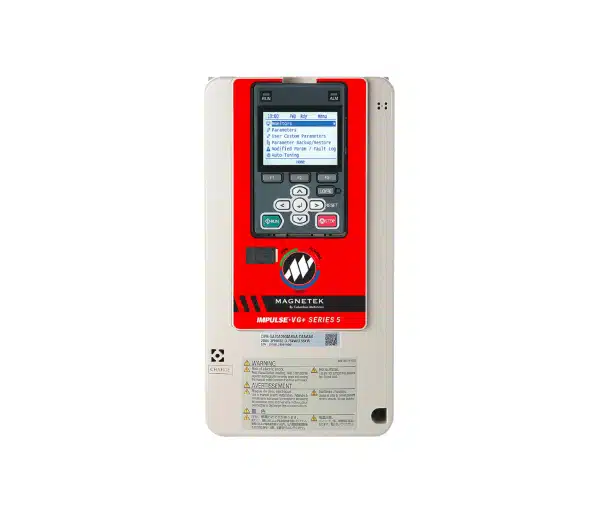
Magnetek has recently introduced the IMPULSE®•G+/VG+ Series 5 Variable Frequency Drives. If you have an old VFD from many years ago or even have a hoist with contactor control- A Magnetek Impulse VFD can be an easy upgrade.
Below are Benefits of the Magnetek IMPULSE®•G+/VG+ Series 5 VFDs:
Safety: Features such as sway control, and collision avoidance promote safety and productivity. You can safely set up these VFDs with low voltage. The built-in USB also ensures secure PC connections.
Simplified Operation: With a clearer keypad, streamlined menus, and timestamp features, diagnosing, adjusting settings, and troubleshooting are quicker and more user-friendly.
Connectivity: The Series 5 VFDs support modern facilities by seamlessly integrating with diagnostic tools and network connections, fostering efficient maintenance and operation.
Reliability and Integration: Designed for the demanding environment of overhead material handling, these energy-efficient VFDs come with a three-year warranty and seamlessly integrate with leading Columbus McKinnon brands like Yale and Shaw-Box.
Customization: From personalized control panels to holistic crane solutions, the Series 5 VFDs can be adapted to meet your exact requirements.
T&M Cranes can help you select the appropriate VFD for your needs, install, and configure the best solution.
Fill out our quote request form to get a quote today!
Posted by T&M Cranes on | Comments Off on Safety Tips to Know When Using Heavy Lifting Devices
Heavy lifting devices play a crucial role in many industries, allowing workers to perform tasks that would otherwise be impossible. However, these machines also pose potential hazards that need to be diligently addressed.
In this helpful guide, we will discuss some of the biggest hazards workers must be aware of when using lifting machines and highlight the best precautions to take before, during, and after their operation. By following these best practices, workers can ensure both their safety and the efficient operation of these essential machines.
Identifying Hazards While Operating Lifting Devices.
Overloading.
One of the most common hazards is overloading lifting machines, exceeding their maximum weight capacity. This can lead to machinery malfunction, collapse, or tip-over accidents. Operators must be aware of the machine’s load limits and avoid exceeding them at all costs.
Poorly Maintained Equipment.
Neglecting regular maintenance, such as lubrication, inspection of cables, and mechanical components, can lead to equipment failure during operation. Workers must thoroughly inspect the lifting machine before each use and report any malfunctions or abnormalities to maintenance personnel.
Inadequate Training.
Insufficient training can lead to inexperienced operators making critical errors while operating heavy lifting machines. Comprehensive training programs should be in place to ensure operators are familiar with the equipment, safety protocols, and emergency procedures.
Precautions Before Operating Heavy Lifting Devices.
Risk Assessment.
Conducting a thorough risk assessment before starting any lifting operation is vital. This includes identifying potential hazards, understanding weight limits, selecting appropriate rigging materials, and establishing safe zones for workers.
Pre-Operational Checks.
Before starting the machine, operators should conduct pre-operational checks to ensure everything is in working order. This includes inspecting cables, chains, hooks, and control mechanisms for any signs of damage or wear.
Proper Rigging.
Selecting the right rigging equipment is crucial to maintain load stability and prevent accidents. Ensuring proper slinging techniques and using appropriate equipment, such as shackles, eye bolts, and wire ropes, reduces the risk of load shifts or material damage during lifting operations.
Best Practices During Operation.
Communication.
Effective communication is key when operating heavy lifting devices. Establish clear communication channels between operators, signalers, and workers on the ground to ensure everyone is aware of their roles, responsibilities, and potential hazards.
Controlled Movements.
Smooth and controlled movements are essential to maintaining stability during lifting operations. Operators should avoid sudden starts, stops, and abrupt swings, as these can cause loads to shift or the machine to destabilize.
Maintaining a Safe Distance.
To avoid potential accidents, workers not involved in the lifting operation should maintain a safe distance from the lift zone. Barricades or warning signs can help establish these safe zones and alert others to potential hazards.
Post-Operational Safety Measures.
Post-Operational Checks.
After completing the lifting operation, operators should conduct post-operational checks to identify any damage, wear, or malfunction that may have occurred during use. Any issues should be reported and addressed promptly.
Cleaning and Maintenance.
Regular cleaning and maintenance of the lifting machine are necessary to ensure its longevity and safe operation. This includes removing debris, lubricating moving parts, and inspecting and replacing worn-out components.
Do You Need Lifting Devices to Tackle Your Next Project?
Then you need to reach out to the team at T&M Cranes. Since 1974, we’ve specialized in supplying businesses with the overhead cranes, hoists, parts, and ongoing service they need to get the job done the right way. As a family owned and operated company, we service as a turnkey provider to ensure you and your workers have everything you need to tackle any job safely and efficiently. You can browse our selection of various lifting devices online, or you can connect with us with us online to get started on your free quote.
Posted by T&M Cranes on | Comments Off on Cranes 101: What Parts of an Overhead Crane are Replaceable?
Regular maintenance of an overhead crane is crucial in order to ensure that it runs efficiently and safely. Replacing worn or damaged parts is an essential part of this maintenance. Not only does regularly replacing crane parts prevent accidents, but it also helps to prolong the life of the crane. Neglect replacing such essential parts at your own risk! The results of such oversight is costly repairs or even complete crane replacement. In this blog post, we’ll discuss the importance of crane maintenance and the different parts of an overhead crane that can be replaced.
A Guide to Crane Replacement Parts
Hooks and Slings
These essential crane components are exposed to a lot of force and take on a lot of wear and tear. Hook fatigue or worn-out slings can lead to accidents, so replacing them regularly is a must. If you’re unsure about the quality of your hooks or slings, it’s better to err on the side of caution and replace them.
Trolley Wheels and Track
The trolley wheels and track of your crane work together to move the crane along its beam. Over time, wheels and track can accumulate dust, dirt, and grime. Such buildup can become abrasive and lead to increased wear, potentially leading to derailment. In turn, derailment of the crane trolley can cause loss of life, crane downtime, and expensive repairs. Worn trolley wheels and track are a significant safety hazard, so keep an eye on the condition of these critial parts.
Load Wheel and Wheel Bearings
The load wheel is a critical component of a crane that supports the weight of the object that’s being lifted. If the load wheel or bearings are worn, the load may shift, leading to an accident. Furthermore, if the wheel bearings are worn out, the load wheel can damage the motor, gearbox, or other parts of the crane. Crane operators and maintainance professionals should frequently grease and replace bearings to prevent downtime and loss of productivity.
Control Switches and Buttons
The buttons and control switches on a crane play a crucial role in a crane’s operation. These knobs and dials are the interface between the crane operator and the crane’s electrical system. Worn, damaged, or malfunctioning control switches and buttons can lead to crane operation failure and unsafe conditions for the operator and other personnel. Frequent checks and timely replacement of control switches and buttons are essential.
Electrical Components
Overhead cranes rely on electronic components, such as relays, fuses, circuit breakers, and controllers. These components need to be maintained and replaced regularly because of the amount of wear and tear they experience.
Brakes and Motor
When a crane needs to stop quickly, well-maintained brakes become the most important safety feature available! Regularly check the brake pads and replace them when necessary to prevent catastrophic accidents.
If a crane is being used constantly, the motor will eventually wear out. In fact, one of the main reasons hoist motors fail is due to overuse. Regular inspections and maintenance can help prevent premature motor failure, but in some cases, the motor will need to be replaced regardless. Keep up to date records on motor age and maintainence to avoid physical and financial disaster.
Trust the Experts for Crane Replacement Parts
Having ready access to crane replacement parts is crucial for ensuring safety, prolonging the life of a crane, and preventing costly repairs. From the hoist motor to the electrical components, many different parts require replacement over time. Whether you’re using a crane for construction or manufacturing, regular maintenance is key. Be sure to work with a knowledgeable technician to identify and replace any worn or damaged parts. By doing so, you’ll be able to maintain a safe and efficient crane that will meet your lifting needs for many years to come. When you need expert advice and delivery of the highest quality crane replacement parts, get in touch with us at T&M Cranes. We can’t wait to hear from you!
Posted by T&M Cranes on | Comments Off on All About: Overhead Crane Classifications
If you work in an industrial or manufacturing setting, chances are you’ve encountered the use of overhead cranes. These powerful pieces of machinery are essential for lifting and moving heavy loads in warehouses, construction sites, and more. However, not all overhead cranes are created equal, and understanding the different classifications of overhead cranes is crucial for choosing the right equipment for the job.
In this comprehensive guide, we’ll explore the six different overhead crane classes, discussing their key features and applications to help you better understand which one is best suited for your specific needs.
Exploring the Six Different Overhead Crane Classes
When it comes to overhead crane classifications, there are six main classes that are used to categorize different types of overhead cranes based on their load capacity, duty cycle, and operational specifications. These classifications are vital for ensuring that the right type of crane is used for specific lifting applications, contributing to workplace safety and efficiency. Understanding the distinctions between these six classes is crucial for selecting the most suitable overhead crane for a particular industrial setting.
The six different overhead crane classifications are Class A, Class B, Class C, Class D, Class E, and Class F. Each classification is designed to handle different load capacities and duty cycle requirements, making them suitable for various lifting and material handling tasks. By delving into the unique features and capabilities of each class, it becomes apparent how these classifications play a vital role in meeting the diverse needs of different industries and applications.
Key Features and Applications of Each Overhead Crane Classification
Class A
Class A overhead cranes are designed for infrequent or light service, typically handling loads that weigh 5 tons or less. These cranes are suitable for simple material handling tasks, such as maintenance and repair work in small workshops or warehouses.
Class B
Class B overhead cranes are built for light service but have a higher load capacity than Class A cranes. They are ideal for moderate usage in machine shops, assembly operations, and light warehousing. Class B cranes can handle loads ranging from 2 to 20 tons and are designed for more frequent operation than Class A cranes.
Class C
Class C overhead cranes are designed for moderate to heavy service and can handle loads weighing between 10 to 50 tons. These cranes are commonly used in heavy fabrication, foundries, and machine shops. They can sustain continuous operation and are perfect for handling heavy loads in more industrial settings.
Class D
Class D overhead cranes are the next step up in terms of capacity, designed to handle loads ranging from 10 to 60 tons. These cranes are built for heavy-duty applications in heavy machine shops, steel warehouses, and other industrial settings where heavy loads must be moved and positioned.
Class E
Class E overhead cranes are designed for severe service and can handle loads exceeding 20 tons. These cranes are commonly used in heavy machine shops, steel warehouses, and foundries. Class E cranes are built to withstand the most demanding handling tasks and are designed for continuous operation.
Class F
Class F overhead cranes are the top of the line in terms of capacity, designed to handle loads exceeding 40 tons. These cranes are suitable for the most demanding applications, including heavy-duty metal service centers, large-scale manufacturing, and high-capacity industrial operations. Class F cranes are built to handle the heaviest loads and are best suited for continuous and severe service environments.
Trust the Experts for Different Types of Overhead Cranes
T&M Cranes’ team of experienced professionals is ready to help you determine the right crane for your business. With our in-depth knowledge and expertise, we will walk you through every step of the process for a hassle-free purchase. Our exemplary customer service team will ensure that you don’t make this significant purchase alone. Get in touch with us today to see why customers continue to turn to T&M Cranes for all their overhead crane needs!
Posted by T&M Cranes on | Comments Off on Understanding the Many Types of Overhead Crane Attachments
Overhead cranes are machines that are primarily used in industrial environments for lifting and transporting heavy loads. These machines allow workers to move large and heavy loads safely and with ease. However, sometimes the load being lifted requires more than just the hooks or magnets that are on the end of the crane itself. That’s where overhead crane attachments come in handy.
Why are overhead crane attachments helpful?
Overhead crane attachments increase the safety and efficiency of the lifting process. By using the appropriate attachment for the load, workers can reduce the likelihood of accidents, such as dropping the load or damaging the load during transport. Additionally, these types of attachments make it possible to lift and transport loads that would otherwise be too heavy or too wide for the crane to handle on its own.
Crane attachments also reduce the amount of time it takes to complete a job. By using the appropriate attachment for the load, workers can lift and transport the load more quickly and efficiently, allowing them to move onto the next task sooner. However, to ensure you’re choosing the right attachment for your project, you need to understand what each one specializes in.
Types of overhead crane attachments
Spreader bars.
Spreader bars are a common type of crane attachment. They are used to lift loads that are too wide or long for the crane’s hook to handle. The spreader bar is attached to the crane hook and has multiple attachment points for chains or cables. These chains or cables are then connected to the load, allowing it to be lifted safely and securely.
Lifting beams.
Lifting beams are similar to spreader bars in that they are used for lifting loads that are too long or wide for the crane’s hook. However, lifting beams are designed to distribute the weight of the load evenly across the beam, making it a more stable and secure lifting solution.
C-hooks.
C-hooks are designed to lift and transport coils of steel or other materials. The hook is shaped like the letter “C,” and it fits around the outside of the coil. This allows the coil to be lifted and transported safely and efficiently.
Grabs.
Grabs are used to lift and transport loose materials, such as sand, gravel, or scrap metal. The grab attachment opens and closes around the load, allowing it to be lifted and transported safely and efficiently.
Magnets.
Magnets are used to lift and transport ferrous metals. The attachment is placed on the crane hook and has a magnetic surface that attracts and holds onto the metal load, making it easier to move a large piece of material.
Vacuum lifters.
Vacuum lifters are used to lift and transport materials that are not solid, such as bags of powder or soft materials like cloth or paper. The attachment uses a vacuum suction cup to hold onto the load, allowing it to be lifted and transported safely and efficiently.
Container spreaders.
Container spreaders are used to lift and transport shipping containers. The spreader bars are designed to fit perfectly around the container and hold it securely. This allows the container to be transported safely and efficiently.
Do you know what type of overhead crane attachment you need?
Whether you’re confident in your needs or would like an expert opinion, contact the experts at T&M Cranes. Family owned and operated since 1974, our team specializes in overhead cranes, hoists, parts, and ongoing service. With our decades of experience and great selection of crane attachments, we’re confident we can match you with the perfect accessory to get the job done right the first time.
Posted by T&M Cranes on | Comments Off on Merrillville, Indiana Crane Rebuilds or Buy New: A Guide
Industrial cranes play a vital role in the efficient functioning of various businesses. However, over time, wear and tear is inevitable, leaving business owners with a critical decision to make—should they opt for investing in a new one or opting for a crane rebuild in Merrillville, Indiana?
This helpful guide will cover common signs indicating problems in an industrial crane before outlining the various benefits of both options. That way, you can have confidence you’re making the right decision for you and your company.
Common signs of crane problems.
Before proceeding with the decision-making process, it is important to identify signs that indicate your industrial crane may be experiencing issues. These can include abnormal vibrations, excessive noise, frequent breakdowns, uneven load distribution, and reduced lifting capacity. If any of these signs are present, it’s time to thoroughly assess the condition of your crane and consider the available options.
Benefits of Merrillville, Indiana crane rebuilds.
Cost-effective solution.
One of the primary advantages of rebuilding is the cost savings it offers compared to purchasing a new crane. Rebuilding allows you to extend the lifespan of your existing crane at a fraction of the cost of a replacement, making it an attractive option for businesses on a tight budget.
Enhanced safety.
While routine inspections and maintenance checks can ensure the safe operation of an industrial crane, a crane rebuild in Merrillville, Indiana provides an opportunity to upgrade crucial safety features. By incorporating modern technology and safety measures, you can enhance the level of security for both your equipment and personnel.
Minimal downtime.
Rebuilding your existing crane can significantly reduce downtime compared to sourcing and installing a new one. It eliminates the need for lengthy installation processes, employee training on new equipment, and potential interruptions to your operations. In a time-sensitive industry, minimal downtime is a substantial advantage.
Familiarity and optimization.
Over time, operators develop an in-depth understanding of their existing crane’s performance and limitations. Rebuilding cranes in Merrillville, Indiana allows you to capitalize on this familiarity, optimizing the crane to fit your specific needs. Customized modifications can be made to improve the efficiency, precision, and productivity of the crane, aligning it with your business requirements.
Benefits of buying a new crane.
Technological advancements.
The crane industry is continuously evolving, with the introduction of cutting-edge technology and innovative features. Investing in a new crane ensures access to these advancements, enabling you to enhance productivity and stay competitive. Newer cranes often offer improved speed, precision, and automation, providing a significant boost to your operations.
Warranty and reliability.
Purchasing a new crane comes with the assurance of a warranty, protecting you against unexpected failures and repair costs. Additionally, a new crane provides reliability, reducing the risks associated with using aging equipment, and allowing for more accurate project planning and scheduling.
Tailored specifications.
If your business requirements have evolved since the initial purchase of your crane, a new crane allows you to select a model that aligns perfectly with your current needs. From customizable lifting capacities to specific features required for your industry, a new crane can be tailored to meet your exact specifications, enhancing the overall productivity and efficiency of your operations.
Is your current crane starting to show signs of wear and tear?
It doesn’t matter whether you want a crane rebuild in Merrillville, Indiana or you’re ready to upgrade to a brand new piece of machinery. You can trust the experts at T&M Cranes to help. Beyond simply offering a fantastic selection of new cranes and hoists, our experts also offer professional inspections, upgrades, and repairs. If you’re unsure of which option is best for you, our team can come out to inspect the damage and guide you towards the optimal choice.
You can learn more about our services online, or get in touch to tell us more about your business and its needs.
Posted by T&M Cranes on | Comments Off on Different Types of Overhead Cranes for Your Business
Overhead cranes are essential equipment in many industries, including manufacturing, construction, and logistics. They are used to lift and move heavy loads, making industrial jobs easier, more efficient, and safer for workers. However, with so many types of overhead cranes available, choosing the right one for your business can be tricky. In this blog post, we’ll explore different types of overhead cranes and factors to consider to ensure that you choose the right crane for your business.
A Guide to Different Types of Overhead Cranes
Factors to Consider When Selecting Overhead Cranes
When it comes to selecting a crane, you must consider load capacity, lifting height, workspace dimensions, safety features, and maintenance requirements. You should also be aware of whether your lifting load is hazardous, fragile, or irregularly shaped. Once you have a good understanding of your lifting needs, you can begin the process of choosing a crane!
Bridge (Overhead) Cranes
Bridge cranes, also known as overhead traveling cranes, are the most common type of overhead cranes. They are made of a bridge that carries a hoist and trolley, which move back and forth along the runways to lift and move loads. Bridge cranes are commonly used in factories and industrial settings, and are ideal for lifting and moving heavy loads across long distances. The bridge crane is suitable for applications that require heavy lifting and high productivity, such as steel fabrication or automotive and aerospace manufacturing.
Gantry Cranes
Gantry cranes are similar to bridge cranes but run on elevated legs (or gantry rails) instead of runways. They are suitable for outdoor applications or areas where runways can’t be installed. Gantry cranes can lift and move loads horizontally and vertically, and they come in different designs, such as single-leg, double-leg, and adjustable height. Gantry cranes are ideal for lifting and moving cargo from ships, loading/unloading containers, and moving heavy materials on construction sites.
Monorail Cranes
Monorail cranes consist of a hoist and trolley that run on a single beam or track. They are suitable for applications that require precise load positioning or high-speed material handling. These specialized cranes can be curved or straight and have multiple hoists and trolleys for increased productivity. Monorail cranes are commonly used in assembly lines, storage facilities, manufacturing plants, paint booths, and clean rooms.
Trust the Experts for Different Types of Overhead Cranes
Choosing the right overhead crane for your business is a critical decision that requires careful consideration and expertise. Take the time to research and consult with experts to find the best overhead crane to meet your labor needs, budget, and expectations. Remember, choosing the right equipment is an investment in your business’s future!
T&M Cranes’ team of experienced professionals is ready to help you determine the right crane for your business. With our in-depth knowledge and expertise, we will walk you through every step of the process for a hassle-free purchase. Our exemplary customer service team will ensure that you dont naviagte making this significant purchase alone. Get in touch with us today to see why customers continue to turn to T&M Cranes for all their overhead crane needs!
Posted by T&M Cranes on | Comments Off on Which Overhead Crane? An In-Depth Guide to Lifting Devices
Choosing the right lifting device for your project is vital. Failing to select the appropriate equipment will lead to delays and pose serious risks to workers and equipment. Luckily, there are purpose-built overhead cranes for every task on any project.
An overhead crane is a mechanical device that aids in the movement of large or bulky objects from one point to another. Overhead cranes are extremely useful for optimizing space, increasing safety standards with lifts or transfers, and automating many industrial processes.
From monorails to jibs to gantries, this article will provide an in-depth guide on all things related to lifting devices – what they look like, how they work, and ultimately, how you can choose the right system for your application! Keep reading if you’re ready to fire up production capabilities while creating a safe workspace — let’s dive into the world of overhead cranes!
The Right Lifting Device for Any Job
Double Girder Top Running Cranes
These are the most common type of overhead crane and are frequently used in heavy-duty applications. They are ideal for environments where height and span are required, and the loads are significant. Additionally, they can lift up to 60 tons and be customized to fit specific needs.
Single Girder Top Running Cranes
Single girders are an excellent choice for efforts where the load is under 20 tons and the span falls between 20-60 feet. They are cost-effective and offer efficient utilization of space, requiring minimal headroom. They are also highly customizable.
Double Girder Underhung Cranes
As the name suggests, these cranes operate under the runway beams and are ideal for projects that require significant hook travel. Double girder underhung lifting devices offer higher hook lift capabilities than other models and are perfect for safety-critical applications.
Single Girder Underhung Cranes
Like their double girder sisters, these cranes operate under the runway beams. However, they are an excellent choice for smaller loads and lower headroom applications. They are more compact and cost-effective than their double girder counterpart.
Double Leg Gantry Cranes
These lifting devices provide excellent lifting capabilities in outdoor environments, offering an industry-leading 100-tonne lifting capability. They are ideal for shipyards, power stations, and construction sites. Additionally, they provide the option to use a cantilever for the full length of the crane bridge.
Single Leg Gantry Cranes
Single-leg gantry cranes are ideal for industrial applications with space constraints and smaller loads. They take up less room than their double leg counterparts and are easier to move. They are perfect for warehouses, maintenance, and sub-assembly areas.
Jib Cranes
Jib cranes are fixed to walls or columns and offer a scalable and space-efficient solution for lifting and moving smaller loads. They are ideal for production lines and smaller workshops. Additionally, they offer a range of mounting options and styles, making them extremely versatile.
Free-Standing Workstation Bridge Cranes and Monorails
Free-standing workstation bridge cranes and monorails are perfect for facilities that can’t accommodate a full overhead crane. They provide the flexibility to move heavy loads quickly within a localized area. These lifting devices are perfect for applications such as painting, machining, and assembly.
Cleveland Tramrail
A Cleveland tramrail is ideal for retrofitting and modernizing older facilities with overhead crane systems. They are a cost-effective choice for facility upgrades and new installations. They boast a simplified installation process, highly efficient use of space, and superior load-bearing capacity.
Davit Cranes
Davits are lightweight, portable cranes that are perfect for light-duty applications and outdoor environments. They can be used to lift and move watercraft, materials, and equipment. They boast a lifting capacity of 2,000 pounds.
T&M Cranes Are the Lifting Device Experts
Choosing the right overhead crane is a critical decision that requires careful consideration. Project managers must weigh various factors, including space availability, load capacity, and environment. However, with the information in this guide, you can choose the best lifting device for your upcoming project! Remember to always prioritize safety and consult with a professional if you need further guidance. Get in touch with T&M Cranes today to find the perfect crane for your operation.
Posted by T&M Cranes on | Comments Off on Signs It’s Time for Crane Modernization in Crown Point
Overhead cranes are essential for many industrial operations to safely move heavy and bulky materials. These cranes are sturdy, reliable, and long-lasting, but that doesn’t mean they’ll last forever. If you’ve been using the same crane for years, it might be time for you to modernize. But how do you know if it’s time for an upgrade? In this blog post, we’ll discuss six signs that it’s time to modernize your overhead crane.
6 Signs It’s Time to Modernize Your Overhead Cranes
Aging Equipment
Overhead cranes have a lifespan, even when they are well-maintained. When a crane approaches the end of its useful life, it becomes less efficient and more prone to breakdowns. If you find yourself repairing your overhead crane more often than usual, it’s a sign that it’s time for an upgrade. Modernizing your crane with new equipment will improve its reliability and efficiency, which in turn, will also increase worker safety.
Reduced Capacity
As business grows and you accumulate more materials to move, you risk exceeding the maximum capacity of your current crane. Overloading your crane can lead to serious accidents and equipment damage, and it also puts your employees at risk. Modernizing your overhead crane helps you increase the crane’s weight capacity to handle bigger loads without causing any safety hazard.
Outdated Technology
New overhead crane technology is constantly emerging, and staying up-to-date is essential to maximize efficiency. Older cranes may not have features like smart controls, remote operation, or automated systems, which can speed up tasks and reduce labor costs. Modernizing your crane can optimize your workflow and minimize the downtime associated with older cranes.
Expensive Maintenance
If maintenance and repair costs have climbed over the years, it’s a sign your crane is costing you more than it should. Outdated equipment tends to be more expensive to maintain and repair than newer equipment. By modernizing your overhead crane with updated features, you can save thousands of dollars every year by reducing maintenance and downtime costs.
Inadequate Safety Features
Worker safety is key in any industrial workplace environment. If your current overhead crane doesn’t have the appropriate safety features, you could be putting your employees in danger. A modern crane with innovative safety features can ensure employee safety and minimize workplace accidents.
Low Productivity
Suppose you’ve analyzed the metrics of your crane and find that its production levels have decreased steadily over the years. In that case, modernizing the crane is an excellent option to boost productivity levels. Updating it with new technology features can improve the crane’s efficiency, speed, and workflow. You’ll notice a drastic improvement in your operational efficiency right away.
Trust the Experts for Crane Modernization in Crown Point
Crane Modernization is an investment that pays off in the long run. Upgrading to newer equipment keeps your facilities running smoothly, boosts productivity, and increases safety while lowering overhead costs. Recognizing the six signs discussed in this article is an excellent start towards modernizing your overhead crane. Don’t hesitate to reach out to a professional crane service provider to evaluate your equipment and recommend the best options to modernize your crane.
When it comes to crane maintenance and modernization, there is no better choice than T&M Cranes. With decades of experience in the business and highly trained professionals at your service, you can trust that we’ve got you covered. Our agile approach ensures that all tasks are completed efficiently and cost-effectively. Plus, our commitment to safety sets us apart from the competition; we take great pride in providing a job done right, every time . From regularly scheduled maintenance to complete system upgrades and everything in between, we have the expertise and knowledge to handle any situation. You can depend on us for outstanding support 365 days a year. Don’t leave your crane safety up to chance by relying on just anybody; make sure you’re getting the best solution with T&M Cranes. Get in touch with us today!
Posted by T&M Cranes on | Comments Off on What to Expect from an Overhead Crane Inspection
Having a safe and efficient overhead crane is essential to business operations in many industries, including construction, manufacturing, and logistics. Overhead cranes are critical tools in moving heavy loads, and routine inspections are necessary to prevent accidents, reduce downtime, and keep equipment in good condition. This article will discuss what you should expect from an overhead crane inspection, including daily, monthly, and yearly inspections, and what to expect during an outside assessment.
Periodic Overhead Crane Inspection: What to Anticipate
Daily Inspection
A daily inspection is the most basic and crucial of the three types of overhead crane inspections. During this inspection, the operator should inspect the crane controls, wire ropes, hoist chains, and hooks for any visible defects. They should also check the brakes, limit switches, and safety features to ensure they are in working order. Documentation of the daily inspection should be completed before starting work.
Monthly Inspection
An in-depth monthly inspection includes all the checks made during the daily inspection but also includes an assessment of the crane structure, such as welding, bolts, and joints. The inspector should examine the electrical systems, including testing for continuity, grounding, and voltage dissipating to prevent electrical hazards.
Moreover, the inspector should check for leaks from the hydraulic and pneumatics systems, components’ wear and tear or corrosion, and the suspension system. The inspector must ensure that the lift chain, wheels, bearings, and gears are adequately lubricated. The documentation for the monthly inspection should be maintained and easily accessible to any authorized personnel.
Yearly Inspection
An annual overhead crane inspection is an in-depth examination of the entire crane. This inspection aims to detect any structural damage or faulty components that may require replacement or recalibration. The inspector should check the crane components, including the hoist, crane hook, trolley, and runway for any signs of damage, wear, or corrosion.
Additionally, the inspector should perform a load test to confirm the weight capacity of the crane. They should also inspect the crane’s lifting ropes, limit switches, electrical wiring, and brakes. The documentation for the yearly inspection should be comprehensive and include a copy of the monthly and daily inspection reports.
External Confirmation: Overhead Crane Inspection for Compliance
Besides regular daily, monthly, and yearly overhead crane inspections, additional external inspections, such as OSHA inspections and third-party inspections, may need to be performed. Third-party inspectors are authorized professionals who assess equipment and verify compliance based on industry standards. OSHA inspections are mandatory and are done to ensure companies comply with safety regulations and prevent accidents.
During the outside inspection, the inspector will assess the overall safety and functionality of the crane, looking for any signs of wear, tear, or other defects. They’ll check the records of all past inspections, including daily, monthly, and annual logs, and verify OSHA standards and compliance. Depending on the findings, the inspector may recommend repairs, maintenance, or a replacement of the overhead crane.
Trust the Experts for Quality Overhead Crane Service
Maintaining overhead crane safety should be a top priority for any business that uses such technology. A regular inspection ensures that your overhead crane equipment is in good condition, reducing accidents and preventing downtime. Daily, monthly, and yearly inspections should be performed, depending on the frequency of crane usage. Beyond this, it’s essential to consider regular external inspections from third-party inspectors and OSHA inspectors to ensure compliance with industry standards. Investing time in overhead crane inspections is the best way to keep a safe workspace and maintain the lifespan of your equipment.
When you need new overhead crane equipment, services, or parts, contact the experts at T&M Cranes. Our team of experienced professionals can help you find the right solution. Get in touch today!
Posted by T&M Cranes on | Comments Off on Brand Matters: Why Choose a Harrington Hoist
When it comes to purchasing cranes and hoists, choosing the right brand can make all the difference. A well-known and reputable brand can offer you peace of mind that you are investing in a high-quality product that will last for years to come. While a lesser quality crane In this blog post, we will discuss why choosing a Harrington hoist is a smart choice for your business.
Harrington Hoists is a trusted name in the crane and hoist industry. They have been in business for over 150 years and are known for their high-quality products and exceptional reliability. Harrington Hoists offers a wide range of hoists making it easy to find the perfect hoist for your specific needs. They also offer a range of accessories that can be used to customize their hoists to meet your specific needs. Whether you need a hoist for a small workshop or a large industrial application, Harrington has a hoist that will meet your needs. Now, without further ado let’s get into exactly why you should choose a Harrington hoist for your job site!
Quality and reliability
Harrington Hoists is a trusted name in the crane and hoist industry. They are known for their high-quality products and exceptional reliability. Harrington hoists are designed and manufactured to the highest standards, ensuring that they can withstand even the most demanding applications. They undergo rigorous testing to ensure that they meet all safety standards and regulations.
Wide range of products
Harrington Hoists offers a wide range of hoists, including electric chain hoists, air hoists, and trolleys, making it easy to find the perfect hoist for your specific needs. Whether you need a hoist for a small workshop or a large industrial application, Harrington has a hoist that will meet your needs.
Innovation and technology
Harrington is committed to innovation and technology, constantly improving their products to meet the changing needs of their customers. They are constantly researching and developing new technologies that will improve the performance and safety of their hoists. They also offer a range of accessories that can be used to customize their hoists to meet your specific needs.
Exceptional Customer Service
Harrington Hoists is known for its exceptional customer service. Their team of experts is available to answer any questions you may have about their products and can provide you with advice on the best hoist for your specific application. They also offer training and support to help you get the most out of your hoist.
Value for Money
Harrington hoists offer excellent value for money. They are competitively priced, making them an affordable option for businesses of all sizes. They are also designed to be durable and long-lasting, reducing the need for frequent replacements or repairs, which can save you money in the long run.
Choosing the right hoist is essential for the safety and efficiency of your business. Harrington Hoists is a trusted and reputable brand that offers a wide range of high-quality products. Their commitment to innovation, technology, and exceptional customer service makes them an exceptional choice for businesses of all sizes. If you’re in the market for a new hoist, consider choosing a Harrington hoist for peace of mind and reliable performance. T&M Cranes is an authorized dealer of Harrington Hoists and can help you find the perfect hoist for your specific needs. We also offer ongoing maintenance and servicing to help ensure the longevity and performance of your hoist.
Posted by T&M Cranes on | Comments Off on Ordering a Hoist?
There are two types of electric powered hoists—Electric Wire Rope and Electric Chain Hoists. Click here to see some of the Wire Rope and Electric Chain Hoists T&M Cranes offers.
*Yale Cable King Wire Rope Hoist
*Acco Electric chain Hoist
Electric Wire Rope Hoists:
Suitable for use in applications from general purpose to heavy duty
Should especially considered when lifts must be more frequent, faster operating or longer.
Provides a wide range of flexibility where heavier or longer lifts and repetitive operations are required
The hoist stores the wire rope on a grooved drum, eliminating the trailing chain common to electric chain hoists
Electric Chain Hoists:
Compact, lightweight, and are for general use in machine shops, fabrication, maintenance works, and construction areas
Link Chain is suitable for all hoisting applications
Other Factors to help determine what type of hoist is needed:
Capacity
Lifting Speed
Lifting Distance
Voltage
Environment
No Matter What Your Material Handling Needs, T&M Cranes can design, manufacture, install and service a complete system to meet your requirements. Call T&M Cranes at 1-800-552-6720 or Submit an online inquiry for a quote.
Posted by T&M Cranes on | Comments Off on Our Crane Service Company: T&M Cranes’ Overhead Modernization
Quality overhead cranes were built to last. But that doesn’t mean that they don’t need updates, upgrades, and modernization after years of use. However, not all modernization services are the same. You need a crane service company with decades of experience and knows the ins and outs of crane modernization—and can return your crane promptly so you can keep business moving.
T&M Cranes has served Indiana and Illinois for nearly 50 years. In this time, we’ve become acutely familiar with every element essential to crane modernization, staying abreast of the latest updates and needs from companies of all sizes. Here’s what you can expect from us.
Why you should modernize your overhead crane
This may be a refresher for some of our readers, but you might be surprised at how many companies delay or forego crane modernization. Some believe their cranes simply do not need updates. Others would rather avoid paying a crane service company for modernization. Let’s start with the first idea.
Modernization means reliability
While we understand accepting that it’s time to modernize your crane isn’t always easy, it’s important to do so. Modernization ensures that all aging, essential components are replaced with modern components that will last for years to come. Not only does this ensure your overhead crane is ready to tackle new, demanding jobs, but also ensures that it will function safely during each use.
Modernization saves you money
Modernization indeed means spending money to update your crane. However, it’s more cost-effective than buying a new crane outright. Our crane modernization services ensure your crane is ready to tackle any project you can throw at it at a fraction of the cost of a new system.
Crane modernization also means it operates most efficiently and enables you to increase productivity when needed. You can’t take on new projects and work with new clients who need demanding projects completed with equipment that simply isn’t up to the task.
Modernization equips you with the systems you need to safely and effectively take on new projects to keep your business moving.
What you can expect
When you come to T&M Cranes, you can rest assured that our trained technicians will deliver sound upgrades to your system. Here’s how it works:
We begin with a comprehensive evaluation and inspection of your system to ensure nothing is missed
We pay close attention to its structural integrity, mechanical operation, and electrical performance; no element is left unevaluated
We review and inspect all maintenance records to get a complete understanding of your system’s history and unique needs
We then reach out to you to discuss and create a plan for making only necessary upgrades to your system
Whatever is revealed in your evaluation and maintenance records, rest assured that we can make the essential upgrades to get you back on the job as quickly as possible. Our modernization offerings include:
Gearing
Wheel assemblies
Bumpers
Motors
Brakes
Cab-to-floor control conversions
Festoon systems
Adjustable frequency controls
AC or DC power limit switches
Radio controls
Rely on T&M Cranes for your overhead crane modernization needs
No matter which components need updating, our crane repair company can handle it. Reach out to us today for a quote and to take the first step in modernizing your system.
Posted by T&M Cranes on | Comments Off on T&M Cranes’ In-House, On-Site Crane Repair and Fabrication Service
Though we expect our cranes to perform without issue for many years, the hard reality is that crane repairs are all but inevitable. This is especially true for older cranes and the ones we demand the most out of. No matter the age, repairs are coming, and it’s best to explore your options for finding an experienced crane repair and fabrication company that can help you keep business moving and limit your downtime.
T&M Cranes has served Indiana and Illinois for nearly half of a century, offering top-tier repair services, fabrication, and high-quality products to companies and organizations of all sizes. Here’s what you can expect when you come to us for your crane repair.
On-site repair and fabrication services
We’re proud to say that each of our repairs is completed in-house. While some companies may bring in third parties to repair clients’ cranes, we don’t. We became Indiana’s preferred crane repair service by developing our unrivaled knowledge through repairing all elements ourselves. Rest assured that, when you come to T&M Cranes, you and your organization are getting hard-earned knowledge, talent, and dedication to see that your crane is returned to you in the best condition possible.
But beyond fabrication, we’re proud to offer our clients a range of essential services to keep their cranes in the best shape possible, no matter their age. Some of our services include:
Crane fabrication
Box girder fabrication
Runway systems
Sheetlifter repair
Custom lifting devices
Coil grabs & spreader beams
Crane lengthening and shortening
Custom equipment
On-site updates
Whether you come to us for fabrication or one of our other services, trust that your crane will remain on-site until it’s time to turn it back over to you. We’ve constructed and updated our facilities to accommodate just about any crane make or model you can think of, as well as how we can fulfill a wide range of services without taking your crane off-site.
Another key differentiator between T&M Cranes and our competitors is our commitment to using only quality materials in every repair and build. Throughout our nearly 50 years of service to Indiana and Illinois businesses, we’ve come across just about every component and manufacturer you can think of. This has helped us set high standards, selecting only the components we’re sure will deliver the results you expect and deserve.
Inspection and maintenance
We trust that you have a solid idea of the issues your crane’s experiencing when you reach out to us for crane repair. Still, it’s always a good idea to have us take a look at the entire crane and make sure everything checks out—or if it doesn’t.
Our fully-trained technicians can pinpoint any problems with your crane and deliver the unrivaled, quality repair you need to keep your operations moving. We are proud to service all types and brands of equipment, whether your equipment is brand new or it’s reliably served you for years.
Trust T&M Cranes for your repair and fabrication
Turning over your crane to someone else to inspect or repair is a big decision; you’re placing your trust in their knowledge and skill to deliver a fully-functional crane when they’re done—and that’s exactly what we promise when you turn to T&M Cranes. Reach out to us today to learn more.